Parking Brake Usage with Manual Transmissions: A Comprehensive Guide
Many drivers of manual transmission vehicles debate the necessity of using the parking brake, often relying on gear selection alone. However, consistently engaging the parking brake prevents cable seizing and ensures a reliable secondary braking system.
Understanding the Importance of the Parking Brake
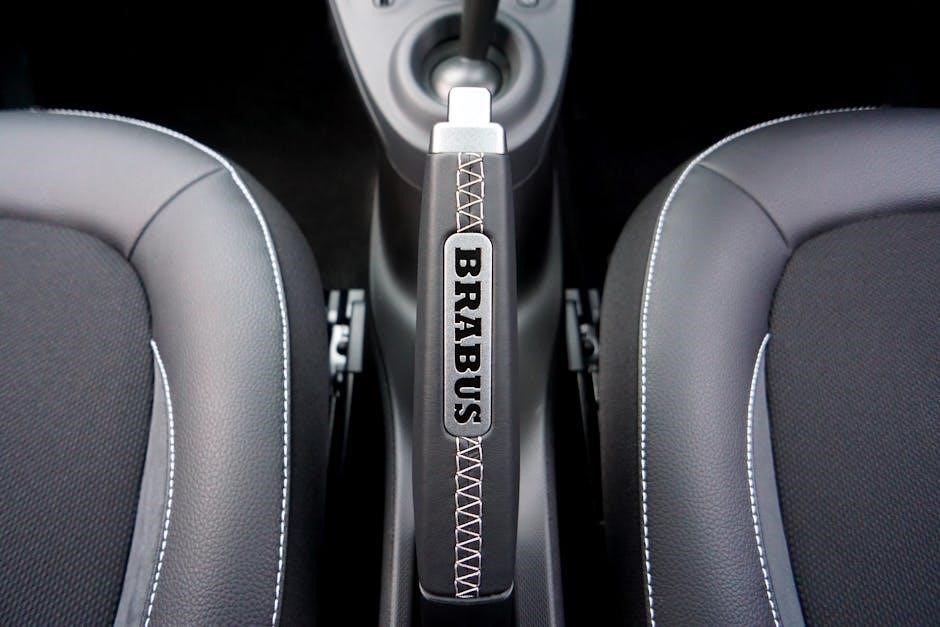
The parking brake, often overlooked, serves as a crucial secondary safety system for all vehicles, but its importance is amplified in manual transmission cars. While engaging the transmission gear provides resistance against rolling, it’s not a substitute for the mechanical security of a properly functioning parking brake. The principle of ‘double safety’ dictates utilizing both methods – gear engagement and the parking brake – to prevent unintended vehicle movement.
Regularly using the parking brake isn’t merely about preventing rollaway; it’s about maintaining the brake’s functionality. Modern parking brake mechanisms frequently incorporate self-calibrating ratchet systems designed to compensate for cable stretch. However, this self-adjustment relies on consistent engagement. Ignoring the parking brake can lead to cable corrosion, seizing, or rust, rendering it ineffective when urgently needed.
Furthermore, relying solely on the transmission gear, especially on inclines, places undue stress on the drivetrain components. The parking brake distributes the load, reducing strain and potential wear. A functioning parking brake provides peace of mind and a vital layer of security, especially in unpredictable situations or when parking for extended periods.
The Principle of Double Safety: Gear vs. Brake
The core concept of secure parking with a manual transmission revolves around employing a ‘double safety’ approach – utilizing both the vehicle’s gears and the parking brake. While placing the car in gear (typically first or reverse) offers substantial resistance to rolling, it’s fundamentally an engine-based restraint, not a dedicated braking system.
The engine’s internal resistance, created by cylinder compression, contributes to holding the vehicle in place, but this isn’t foolproof. A determined force, or mechanical failure within the engine, could overcome this resistance. The parking brake, conversely, is a mechanically independent system designed specifically to prevent movement. It applies direct force to the wheels, providing a reliable and consistent hold.
Some drivers argue that a strong engine in a lightweight car provides sufficient resistance, negating the need for the parking brake. However, this relies on the engine being in perfect working order. The parking brake acts as a crucial backup, safeguarding against unforeseen mechanical issues or external forces. Combining both methods ensures maximum security and minimizes the risk of unintended vehicle movement, especially on inclines.
When to ALWAYS Use the Parking Brake
Regardless of terrain or vehicle condition, certain situations demand the unwavering use of the parking brake when operating a manual transmission vehicle. Prioritizing its engagement is paramount for safety and preventing potential incidents. Always apply the parking brake when parking on any incline, regardless of how slight it may appear. Gravity’s influence can easily overcome engine resistance, leading to rollaway.
Furthermore, consistently use the parking brake when parking overnight or for extended periods. This prevents the vehicle from potentially shifting due to uneven ground or minor disturbances. Regularly engaging the brake also combats the risk of cable seizure or rust, a common issue with infrequently used mechanisms. Ignoring the parking brake can lead to it becoming inoperable when you need it most.
Even on seemingly level ground, it’s best practice to utilize the parking brake as a secondary safety measure. Unexpected impacts or mechanical failures could compromise gear-based restraint. Establishing a habit of always using the parking brake fosters a proactive safety mindset and ensures maximum vehicle security in all parking scenarios.
Parking on Hills: Essential Techniques
Parking a manual transmission vehicle on a hill requires a specific, multi-step approach to maximize safety and prevent rollaway. First, determine the hill’s direction – uphill, downhill, or a cross-slope. When facing uphill, turn your wheels away from the curb and firmly apply the parking brake. Select first gear, and gently release the clutch while applying a small amount of gas to create tension against the engine.
For downhill parking, turn your wheels towards the curb, engage the parking brake securely, and place the vehicle in first gear. Again, a slight application of gas and controlled clutch release adds an extra layer of security. On cross-slopes, the procedure is more nuanced; aim to wheel towards the downhill side and follow the uphill parking brake and gear selection process.
Crucially, always test the parking brake’s effectiveness by gently releasing the service brake to confirm the vehicle remains stationary. Never rely solely on the engine’s resistance, as this can fail. Remember, the parking brake is your primary defense against gravity on inclines, supplemented by proper gear selection and wheel positioning.
Selecting the Correct Gear for Parking
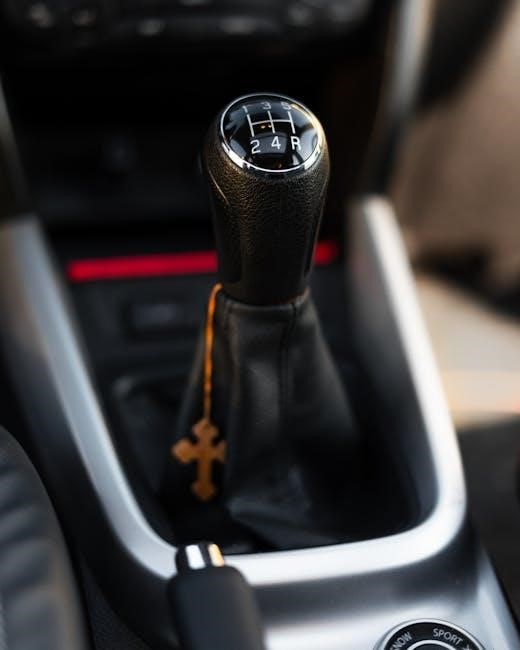
Choosing the appropriate gear when parking a manual transmission vehicle is a critical component of safety, working in tandem with the parking brake. Generally, first gear is the preferred choice for most situations, offering the greatest gear advantage and resistance to movement. This is because the engine’s internal resistance, combined with the gear ratio, creates a substantial barrier against rolling.
However, the specific gear selection can depend on the terrain. On a level surface, first gear provides ample security. When parking downhill, first gear remains ideal. Conversely, when facing uphill, some drivers opt for reverse, leveraging the engine’s compression to resist rollback, though first gear is still widely recommended.
The principle is to utilize the engine as an ‘internal brake,’ making it harder for the wheels to turn freely. Larger engines, as noted by experienced drivers, offer more inherent resistance. Regardless of the gear chosen, always confirm the parking brake is firmly engaged before dismounting the vehicle. Never assume the gear alone will suffice.
First Gear vs. Reverse Gear for Security
The debate between using first gear versus reverse when parking a manual transmission vehicle centers around maximizing resistance to rolling. While both offer a degree of security, first gear is generally considered the safer and more conventional choice for most scenarios.
Reverse gear utilizes engine compression to resist rollback, particularly useful on inclines. However, this relies heavily on the engine’s ability to maintain that compression, and some argue it places undue stress on the reverse gear mechanism. First gear, conversely, benefits from a higher gear ratio, providing a stronger mechanical resistance against movement.
Experienced drivers often favor first gear due to its predictability and reduced strain on the transmission. The engine’s inherent resistance, coupled with the gear advantage, creates a robust internal braking effect. While reverse can be effective uphill, relying solely on it can be risky. Ultimately, the most secure practice is to always combine the selected gear – first or reverse – with a firmly engaged parking brake, ensuring double safety and preventing unexpected vehicle movement.
Potential Issues with Relying Solely on Gear
While seemingly convenient, depending exclusively on the transmission gear to secure a parked manual vehicle presents several potential risks. The primary concern is the possibility of mechanical failure or insufficient resistance, especially on even slight inclines. Engine compression, while helpful, isn’t a foolproof braking system.
A significant issue arises from the potential for the vehicle to be moved, even with a gear engaged, if sufficient force is applied – by another vehicle, for example. Relying solely on the engine and transmission also neglects the crucial redundancy offered by a properly functioning parking brake.
Furthermore, habitually bypassing the parking brake can lead to its deterioration. As noted, parking brake mechanisms can seize or rust if not regularly used, rendering them ineffective when urgently needed. This creates a dangerous situation where a driver assumes brake functionality that isn’t present. The principle of double safety dictates utilizing both the gear and the parking brake for maximum security and peace of mind.
Parking Brake Cable Maintenance and Adjustment
Regular maintenance of the parking brake cable is crucial for ensuring optimal performance and preventing unexpected failures. Over time, cables can stretch, become frayed, or corrode, diminishing their effectiveness. Periodic inspection for signs of wear, such as rust, kinks, or broken strands, is essential.
Many modern parking brake systems incorporate self-calibrating mechanisms with a ratchet design, intended to compensate for cable stretch. However, these systems function best when the parking brake is engaged frequently. Chronic disuse can negate this self-adjustment feature, leading to reduced braking force.
Adjustment procedures vary depending on the vehicle model, but generally involve tightening the cable to achieve proper engagement. If adjustment doesn’t resolve issues, the cable may require replacement. Ignoring cable maintenance can lead to a parking brake that’s unable to securely hold the vehicle, compromising safety and potentially resulting in costly repairs down the line. Professional inspection is recommended if you’re unsure about performing adjustments yourself.
Recognizing Signs of a Failing Parking Brake
Identifying the early warning signs of a failing parking brake is vital for maintaining vehicle safety, especially with manual transmissions where reliance on the brake is paramount. A common indicator is an unusually long travel distance of the parking brake pedal before engaging. This suggests cable stretch or internal mechanism wear.
Another telltale sign is the vehicle rolling, even slightly, when the parking brake is fully engaged on a level surface. This is a critical warning and demands immediate attention. Difficulty releasing the parking brake, requiring excessive force, can indicate corrosion or seizing within the system.
Unusual noises, such as clicking or grinding sounds when applying or releasing the brake, also point to potential problems. Furthermore, a parking brake light that remains illuminated even after the brake is disengaged could signify a sensor or switch malfunction; Ignoring these symptoms can lead to a complete parking brake failure, increasing the risk of unintended vehicle movement.
Self-Calibrating Parking Brake Mechanisms
Modern parking brake systems often incorporate self-calibrating mechanisms designed to compensate for cable stretch and wear over time. These systems typically utilize a ratchet mechanism that automatically adjusts the cable tension, maintaining optimal braking force. However, this self-calibration feature isn’t a substitute for regular use and inspection;
The effectiveness of these mechanisms hinges on frequent engagement of the parking brake. Infrequent use can lead to corrosion and eventual seizing of the cable, negating the self-adjusting benefits. While designed to maintain functionality, they cannot overcome the effects of prolonged inactivity and environmental exposure.
It’s crucial to understand that self-calibration doesn’t eliminate the need for periodic maintenance. Regular checks for cable fraying, corrosion, and proper operation are still essential. Even with a self-calibrating system, a neglected parking brake can fail unexpectedly, particularly in manual transmission vehicles where it serves as a vital secondary restraint.
The Risk of Parking Brake Seizure Due to Inactivity
A significant, often overlooked, risk associated with parking brakes – particularly in vehicles with manual transmissions – is the potential for seizure due to prolonged inactivity. Parking brake cables, exposed to the elements, are susceptible to corrosion and rust, especially in regions with harsh weather conditions. When left unengaged for extended periods, these cables can bind within their sheaths.
This binding can lead to a situation where the parking brake becomes difficult, or even impossible, to release. The surprise of a seized parking brake can be alarming and potentially dangerous, especially if you’ve become reliant on simply leaving the vehicle in gear. Attempting to force a seized brake can damage the cable and associated components, leading to costly repairs.
Regularly using the parking brake, even on level ground, helps to lubricate the cable and prevent corrosion buildup. It’s a proactive measure that ensures the system remains functional when needed, safeguarding against unexpected failures and maintaining a crucial layer of safety for your manual transmission vehicle.
Emergency Situations: Parking Brake Failure
Despite diligent maintenance, parking brake failure can occur, presenting a potentially hazardous situation, especially for manual transmission vehicle owners who may have grown accustomed to relying less on the brake itself. If the parking brake cable snaps or the mechanism seizes unexpectedly, the vehicle could roll, particularly on an incline.
In such an emergency, immediately shift the vehicle into gear – first gear for uphill parking, reverse for downhill. This provides an initial layer of resistance. Simultaneously, carefully and cautiously attempt to apply the parking brake again; sometimes, a slight adjustment in weight distribution can free a partially seized mechanism.
If the brake remains unresponsive, utilize any available means to secure the vehicle – wheel chocks are ideal, but large rocks or sturdy objects can provide temporary support. Never attempt to move the vehicle until the parking brake is repaired. Prioritizing safety and seeking professional assistance are crucial steps in mitigating the risks associated with parking brake failure, especially when operating a manual transmission vehicle.
Impact of Terrain on Parking Brake Reliance
The degree to which you should rely on the parking brake is significantly influenced by the surrounding terrain. On level ground, a manual transmission vehicle held securely in gear may seem adequately restrained, especially with a robust engine providing internal resistance. However, this practice becomes increasingly risky as the slope increases.
Hills demand a far more cautious approach; Gravity exerts a powerful force, and relying solely on the transmission’s gear selection may prove insufficient to prevent rolling, particularly with older vehicles or those with less engine compression. The parking brake becomes essential, providing a crucial secondary safety measure.
Furthermore, consider the surface. Loose gravel, snow, or ice drastically reduce tire grip, diminishing the effectiveness of both the transmission and the parking brake. In these conditions, maximizing both systems – engaging the parking brake firmly and selecting the appropriate gear – is paramount. Ignoring terrain factors can lead to unexpected vehicle movement and potential accidents.
Modern Manual Transmissions and Parking Assistance
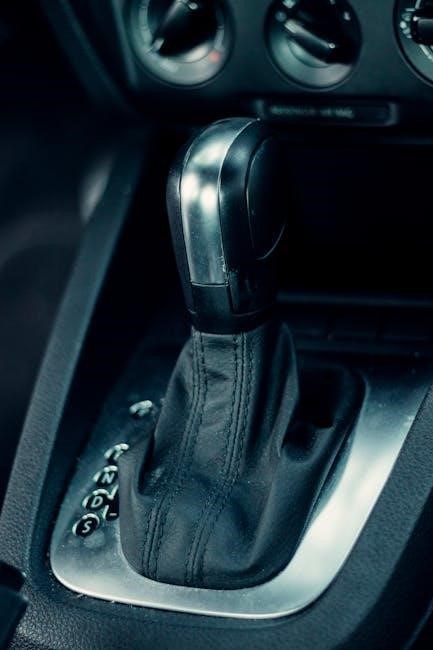
While traditionally, manual transmission drivers relied heavily on gear selection and the parking brake, modern vehicles are increasingly incorporating parking assistance technologies. However, these systems don’t negate the need for responsible parking practices, especially with manual transmissions.
Some newer manual vehicles feature hill-hold control, briefly applying the brakes to prevent rollback while transitioning from the brake pedal to the accelerator. This assists during uphill starts but doesn’t replace the parking brake for secure parking. Electronic parking brakes (EPBs) are also becoming more common, offering precise control and often integrating with stability control systems.
Despite these advancements, it’s crucial to remember that EPBs, like traditional cable-operated brakes, can seize if infrequently used. Regularly engaging the parking brake, even with assistance features, maintains functionality and prevents corrosion. Don’t assume technology eliminates the need for double-checking – always confirm the vehicle is securely parked before disengaging.
Long-Term Parking Considerations
When leaving a manual transmission vehicle parked for extended periods – days, weeks, or months – specific precautions are vital to prevent issues. Relying solely on the transmission’s gear position isn’t sufficient, as internal components can shift over time, potentially leading to unexpected movement.
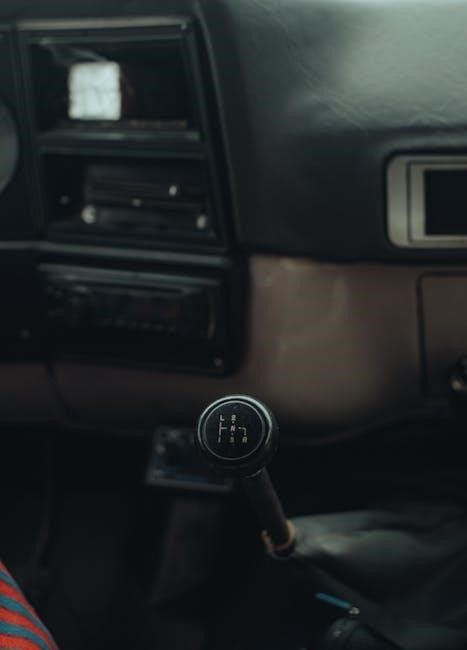
Always fully engage the parking brake, even on level ground. This safeguards against any gradual drift and minimizes stress on the transmission. If possible, consider chocking the wheels for added security, particularly on inclines or uneven surfaces. Regularly checking the parking brake’s functionality is crucial, especially before long-term storage.
Furthermore, inactivity can contribute to parking brake cable corrosion or seizure. Periodically releasing and re-applying the brake, if feasible during the storage period, helps maintain its operational condition. Ignoring this can result in a frozen brake, requiring costly repairs. Prioritizing these steps ensures your vehicle remains safely secured during prolonged parking.